
Get Tree Canopy Thinning in Utah County, UT
Tree Canopy Thinning services for Utah County help improve safety, reduce property damage, and enhance landscape aesthetics through professional pruning and selective removal.
Tree canopy thinning services are often considered by property owners in Utah County to improve the overall health and vitality of their trees. Removing excess branches can enhance airflow and sunlight penetration, which helps reduce the risk of disease and decay. Additionally, thinning can prevent branches from becoming too heavy or weak, decreasing the likelihood of storm-related damage or falling limbs, thereby contributing to safety and long-term durability of the landscape.
Beyond safety, canopy thinning can significantly boost curb appeal by creating a more balanced and aesthetically pleasing tree structure. It also improves the functionality of outdoor spaces, making yards more comfortable and accessible. Many property owners seek these services to reduce ongoing maintenance needs, as properly thinned trees are easier to care for and less prone to issues that require costly repairs or interventions over time.
- Tree Canopy Thinning Services are recommended when overgrown branches are obstructing views or causing safety concerns in urban areas. Local pros can assist with canopy reduction to improve air circulation and sunlight penetration for healthy tree growth. These services are often needed in residential neighborhoods or parks in Utah County, UT, and surrounding regions. Tree canopy thinning can also be beneficial for reducing storm damage risk in areas prone to high winds. Professionals can tailor thinning strategies to maintain tree health while managing canopy size effectively.
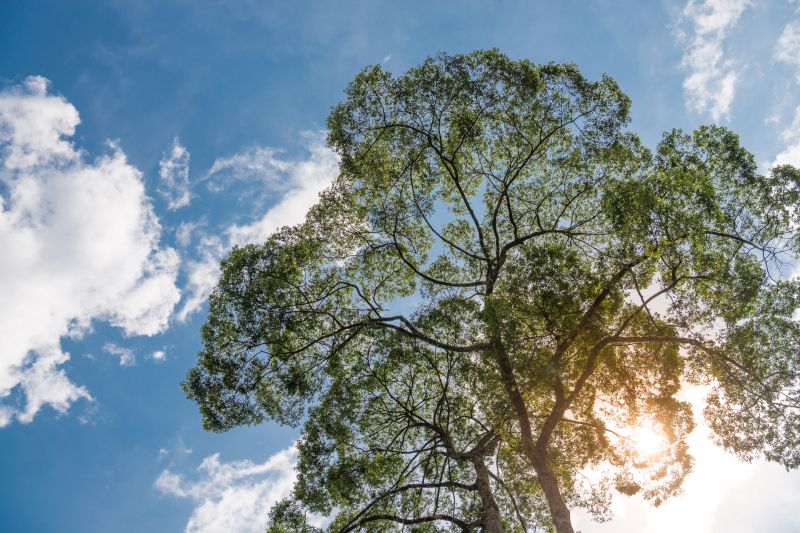
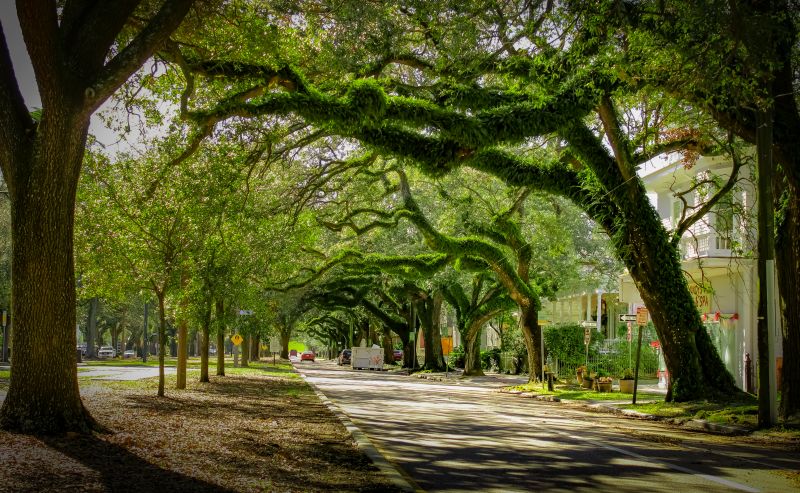
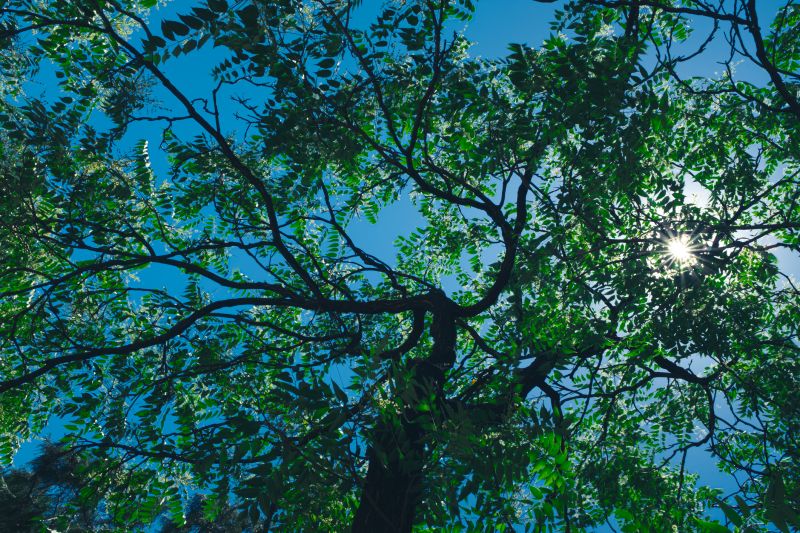
Tree canopy thinning services involve selectively reducing the density of branches and foliage within a tree’s crown. This process aims to improve air circulation, increase sunlight penetration, and reduce weight on the branches. By carefully removing specific limbs, professional arborists can help maintain the overall health and aesthetics of the tree while preventing potential structural issues. Tree canopy thinning is typically performed using specialized pruning techniques to ensure the tree’s natural shape is preserved and that the work promotes long-term stability.
One of the primary problems addressed by canopy thinning is the risk of branch failure due to excessive weight or overcrowding. Overgrown or densely foliated canopies can become susceptible to storm damage, with heavy winds or snow causing branches to break and fall. Additionally, thick canopies can hinder proper airflow and sunlight exposure, which may lead to issues like disease, decay, or pest infestations. Thinning the canopy helps mitigate these risks by reducing stress on the tree’s structure, encouraging healthier growth, and minimizing the likelihood of dangerous falling limbs.
Properties that often utilize canopy thinning services include residential yards, commercial properties, parks, and institutional landscapes. In residential settings, thinning can improve the safety and appearance of trees near walkways, driveways, or structures. Commercial properties, such as shopping centers or office complexes, may use canopy thinning to maintain a tidy and safe environment for visitors and employees. Public parks and recreational areas also benefit from these services by ensuring trees remain healthy and safe for visitors, while also enhancing overall landscape aesthetics.
Professional arborists or tree care specialists typically perform canopy thinning services to ensure the work is done safely and effectively. These experts assess the specific needs of each tree, considering its species, health, and location, before carefully removing selected branches. The goal is to promote a balanced and healthy canopy while reducing potential hazards. Property owners interested in canopy thinning can contact local tree care providers to discuss their needs and schedule an assessment or service appointment.
The overview below groups typical Tree Canopy Thinning projects into broad ranges so you can see how smaller, mid-sized, and larger jobs often compare in Utah County, UT.
In many markets, a large share of routine jobs stays in the lower and middle ranges, while only a smaller percentage of projects moves into the highest bands when the work is more complex or site conditions are harder than average.
Tree Canopy Thinning Cost - The typical cost for canopy thinning services ranges from $200 to $1,000 per tree, depending on size and complexity. Larger or more intricate trees may cost more, with some projects reaching $1,500 or higher. Local pros can provide estimates based on specific tree conditions.
Service Pricing Factors - Costs vary based on tree height, diameter, and location, with smaller trees generally costing less. For example, a small ornamental tree might cost around $200, while a mature, large canopy could be closer to $1,200. Additional services like debris removal may influence the final price.
Average Cost Range - On average, homeowners in Utah County can expect to pay between $300 and $800 for canopy thinning services per tree. Prices may fluctuate based on accessibility and the extent of thinning required. Local service providers can offer tailored quotes for specific needs.
Cost Considerations - The total cost may include factors such as tree size, location, and the amount of canopy to be thinned. For example, a mid-sized tree might cost around $500, while larger trees could exceed $1,000. Contact local contractors for detailed cost estimates tailored to individual trees.
Actual totals will depend on details like access to the work area, the scope of the project, and the materials selected, so use these as general starting points rather than exact figures.
Tree Canopy Thinning services involve selectively removing branches to improve air circulation and sunlight penetration within the canopy, promoting healthier growth. Local professionals can assess and perform thinning to help maintain tree vitality and manage canopy density.
Tree Canopy Reduction projects focus on reducing the overall size of a tree's canopy to prevent interference with structures or power lines, ensuring safety and clearance. Experienced service providers can customize thinning to meet specific space requirements.
Selective Tree Pruning involves targeted removal of specific branches to enhance the tree's structure and health, often including canopy thinning as part of the process. Local arborists can determine optimal pruning strategies for different tree species.
Urban Tree Management includes canopy thinning as a key component to control tree growth in city environments, reducing risks and maintaining aesthetic appeal. Local contractors can implement management plans tailored to urban settings.
Landscape Tree Care services may incorporate canopy thinning to improve overall landscape appearance and ensure trees do not overshadow other plantings. Local providers can advise on appropriate thinning techniques for landscape trees.
Tree Health Optimization involves thinning to improve airflow and reduce disease susceptibility, supporting the long-term health of trees. Local specialists can evaluate and carry out thinning to promote robust growth.
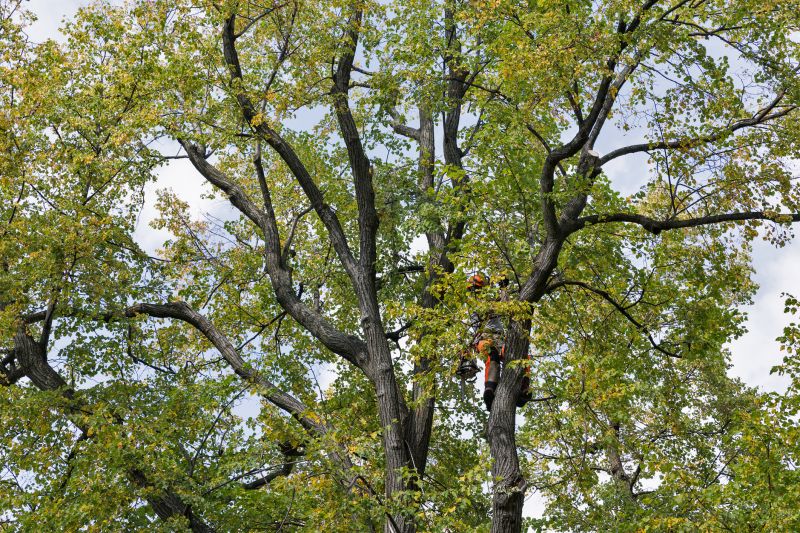
When selecting a professional for tree canopy thinning services, it is important to consider their experience with similar projects. Homeowners should inquire about how many years the provider has been performing canopy thinning and whether they have worked on trees comparable to those on the property. Reputable providers often have a track record of successful projects, which can be verified through references or portfolios of past work. Ensuring that the chosen professional has a history of handling tree thinning responsibly can help achieve the desired results while maintaining the health of the trees.
Clear written expectations are essential when working with a tree care provider. Homeowners should seek detailed descriptions of the scope of work, including the techniques to be used and the expected outcomes. A reputable professional will communicate these expectations upfront and provide documentation outlining the services offered. This transparency helps prevent misunderstandings and ensures that both parties have aligned goals for the project.
Effective communication and reputable references are key indicators of a reliable tree canopy thinning service provider. Homeowners are encouraged to ask for references from previous clients or to review online reviews and testimonials. Consistent, clear communication from the provider-such as timely responses and willingness to answer questions-can also reflect their professionalism and commitment to customer satisfaction. As the information below introduces local options, it is important to contact multiple providers directly to assess their experience, communication style, and reputation before making a decision.
Property owners in Utah County, UT use Tree Canopy Thinning services for practical projects around their homes and businesses. The sections below highlight everyday jobs and straightforward project options.
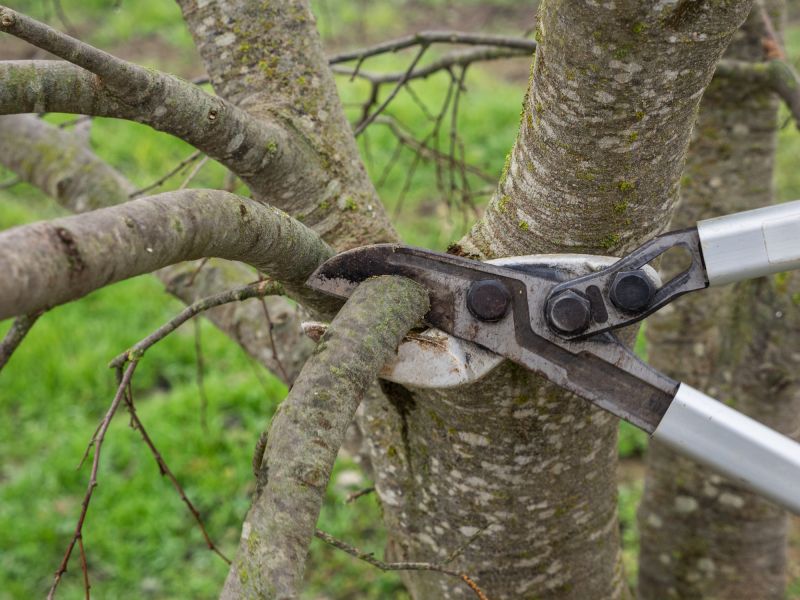
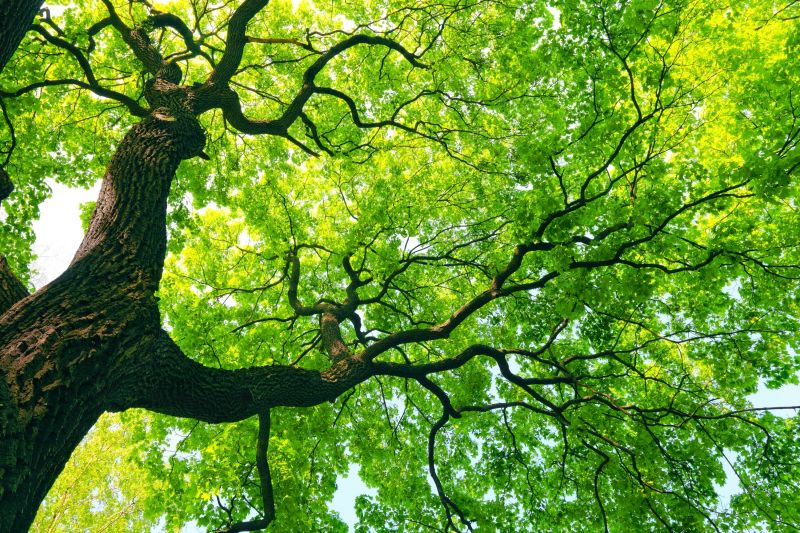
Tree canopy thinning services are often sought by property owners in Utah County to address overgrown or dense tree branches that can obstruct views, pathways, or outdoor spaces. Thinning helps improve air circulation and sunlight penetration, which can promote healthier tree growth and reduce the risk of branch damage during storms. Property owners may also consider these services to maintain the aesthetic appeal of their landscapes, especially when trees have become too crowded or unruly over time.
Additionally, tree canopy thinning can be a practical step for those managing safety concerns around their properties. Overgrown branches may pose hazards to people or nearby structures, especially in areas prone to high winds or heavy snowfall. Local tree care professionals can assist in carefully reducing the canopy to ensure safety while preserving the overall health and appearance of the trees. Property owners in Utah County often seek these services to keep their outdoor spaces safe and visually appealing.
What is tree canopy thinning? Tree canopy thinning involves selectively removing branches to reduce the density of a tree's foliage, improving airflow and light penetration.
Why consider tree canopy thinning services? Thinning can help reduce the risk of storm damage, improve tree health, and prevent branches from becoming hazardous.
How do local pros perform canopy thinning? Professionals assess the tree's structure and carefully prune branches to maintain stability and overall health.
Is tree canopy thinning suitable for all trees? Not all trees require thinning; a professional evaluation can determine if thinning is appropriate for a specific tree.
How can I find local tree canopy thinning service providers? Contact local tree care specialists or landscape service providers in Utah County and nearby areas for assistance.
Tree Canopy Thinning Techniques - Professionals can assess tree health and determine appropriate thinning methods to improve overall growth and stability.
Selective Branch Removal - Local experts identify and remove specific branches to reduce weight and enhance air circulation within the canopy.
Interior Crown Thinning - Service providers carefully thin interior branches to increase light penetration and reduce risk of storm damage.
Structural Pruning Services - Experienced contractors focus on shaping the canopy to promote healthy development and prevent potential hazards.
Considering Tree Canopy Thinning for a property in Utah County, UT? The sections above highlight common project types, practical options, and details that often shape the scope of work.
When you are ready, use the quote form to share a few details about your project. Local pros can review the basics and respond with options that match what you have in mind.